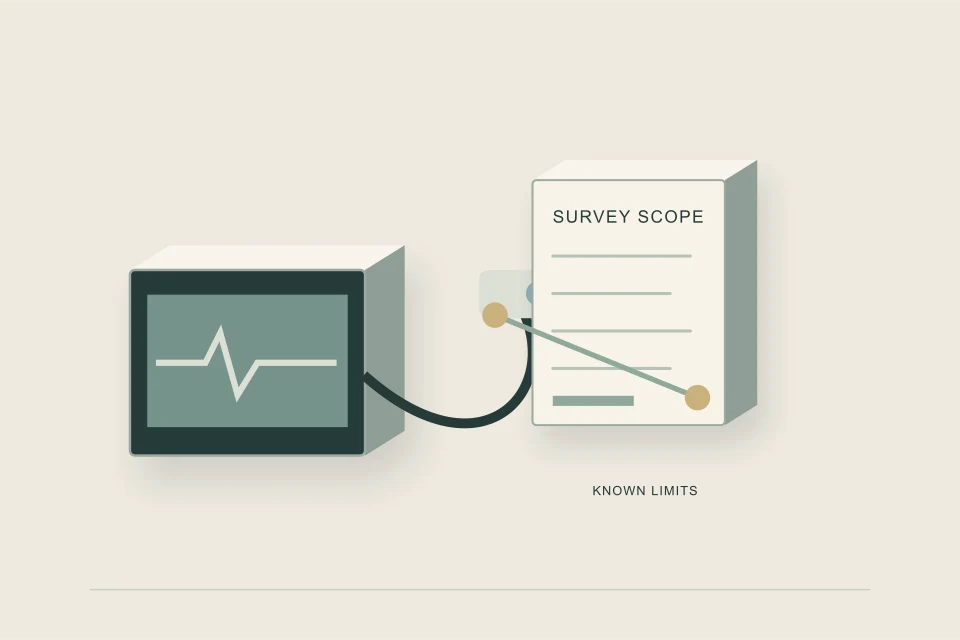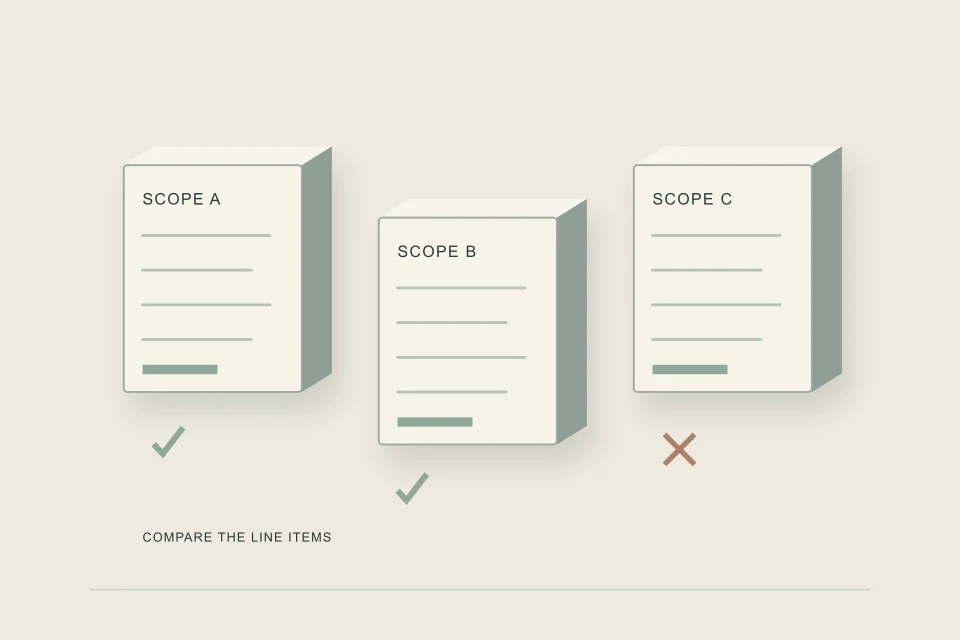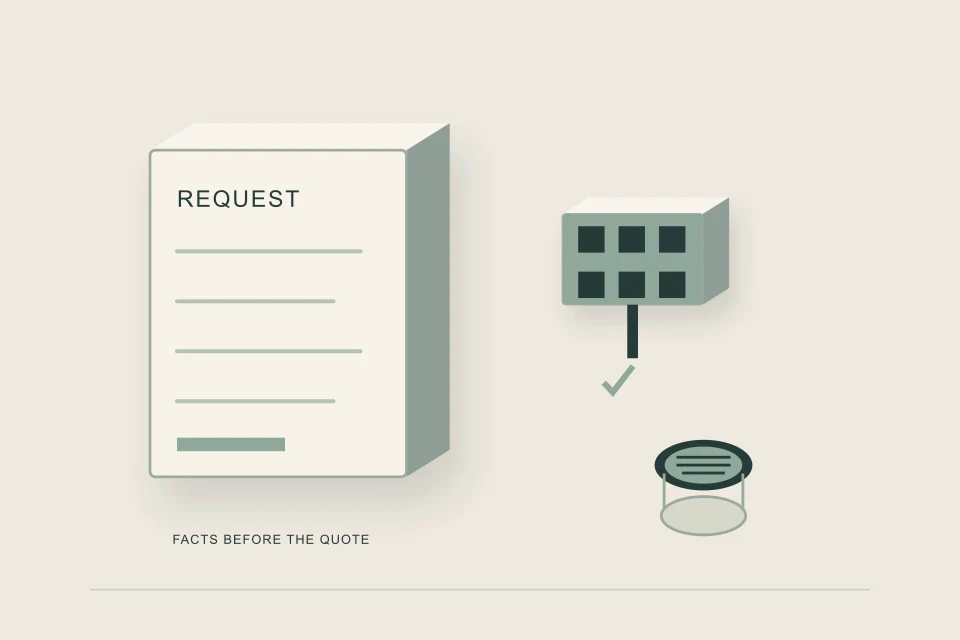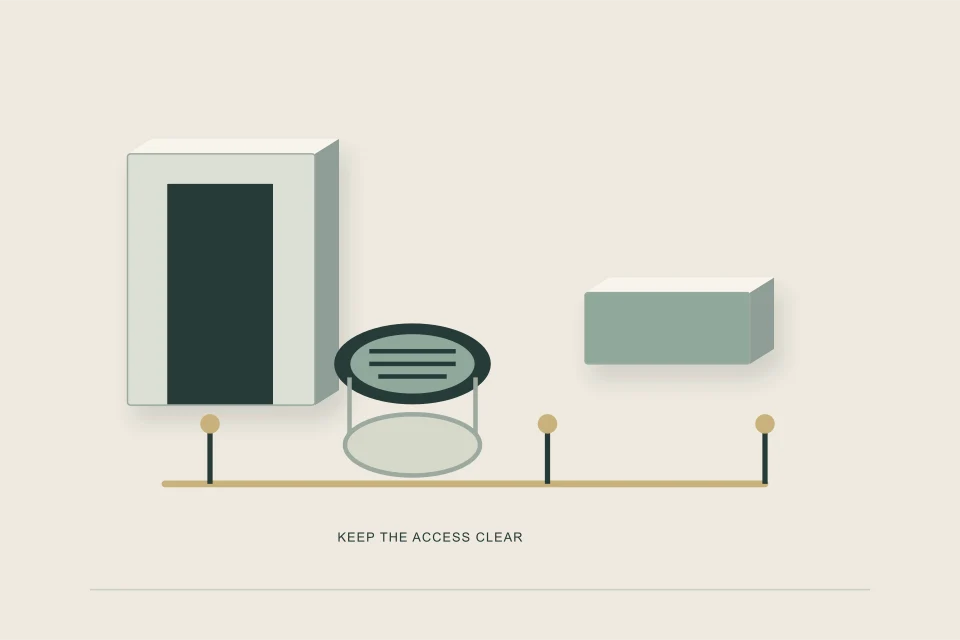
Commercial sewer access planning identifies the entry points, assets, permissions and work constraints needed for a defined task. Give the provider confirmed records and label unknowns. It must assess safe practical entry and equipment. An available cover or fitting does not by itself establish that every requested run can be reached.
- Name access points and assets consistently.
- Confirm permissions without sending staff into sewer spaces.
- Ask what the proposed entry can and cannot reach.
- Record failed access and unseen sections as open work items.
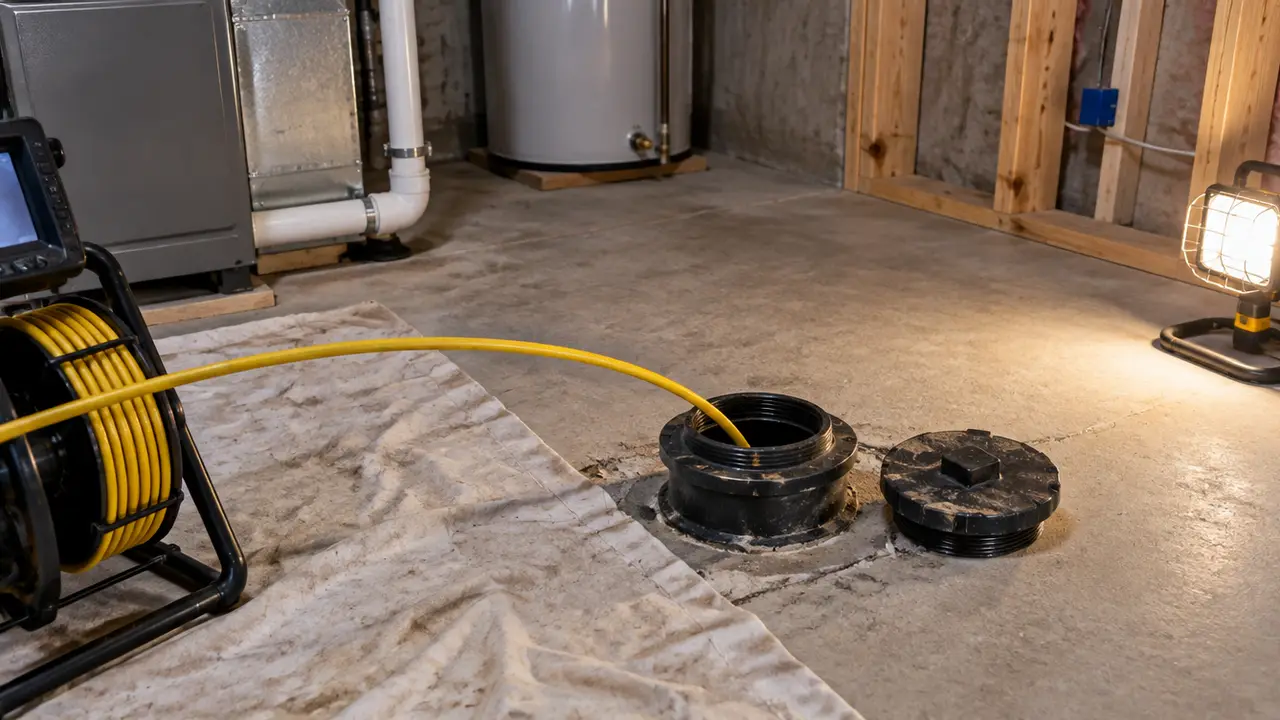
01 /What is a commercial cleanout and why does its location matter?
A cleanout is a designed access fitting for servicing the drainage system. Its practical value depends on the route it connects to and the task the provider needs to perform. A visible fitting near one business area should not be assumed to open every private run on the property. Identify it on available plans and ask the contractor which direction and extent it expects to reach from that entry.
Keep access labels independent of assumptions about the sewer condition. For example, a manager can name a fitting “kitchen access K1” without declaring that the entire downstream line is clear. Give the provider a safe existing photograph and the earlier service reference if available. If a drawing and a previous invoice use different labels, show the relationship in the brief so the quote and later recording can describe the same asset. When an access label changes after renovation, retain its earlier alias and dated record. Otherwise a future manager may commission a duplicate survey because the same entry appears to be a new asset.
02 /Which access information can a manager gather safely?
A manager can gather records, confirm keys and describe areas that can be made available without entering a hazardous space or opening a backed-up fitting. Identify the building, service room, vehicle approach and the person who controls access. Tell the provider if a fitting is covered, locked or not located. Mark those conditions as unresolved rather than assigning a member of staff to expose or open the sewer for an online quote.
Manholes, pits and vaults require specialist assessment and controls. CCOHS explains why confined spaces have hazards beyond ordinary room access. An owner should not enter one, lean into an opening or improvise ventilation for a photograph. Ask the qualified provider to define any specialist access task and its approval. Safe access is part of the service planning, not a preparation favour to be passed to an untrained tenant.
03 /What should the access schedule record?
| Field | Practical entry | What stays unresolved |
|---|---|---|
| Access label | K1 or Building B service entry | The buried route if not confirmed |
| Record source | Plan date or earlier service file | Undocumented route recollections |
| Permission | Authorized manager and key arrangement | Unapproved occupant entry |
| Physical approach | Vehicle and equipment route described | Provider assessment of suitability |
| Requested extent | Named start/end assets | Coverage that cannot be achieved |
| Fallback process | Contact for a changed task | Automatic permission to expose finishes |
Use one schedule across the request, proposal and completed visit. Keep its unconfirmed fields visible. A contractor can assess whether another entry or task is needed, but the manager should know when that decision changes the scope. An access schedule becomes misleading when an uncertain route is quietly rewritten as confirmed simply because the appointment has been booked.
04 /Why can one entry point produce incomplete coverage?
One entry point can be insufficient when the intended route cannot be followed or viewed under the actual conditions. Bends, branches, an obstruction or an unsuitable approach may limit what equipment can reach. Ask the provider to identify the anticipated route and explain how it will report an interruption. The presence of a camera on site does not establish that the full private trunk or every connected branch has been surveyed.
Keep actual coverage linked to the entry used. If another access point is used for a later pass, request its starting reference and relationship to the earlier record. Do not combine footage-counter values from different starting points as if they describe one continuous survey. The final asset list should identify complete, partial and uninspected runs. That distinction lets the owner approve a targeted return task instead of paying to repeat the same accessible section.
05 /How do tenant operations and equipment set-up affect access?
Tenant operations affect when and how the agreed entry can be used. A restaurant work area, shared service room or active loading yard may need coordinated permission and a provider-defined work window. Give the contractor the actual constraints before relying on one appointment. Ask what space its equipment requires and how it will communicate any affected-use restrictions. A preference for after-hours work is not confirmation that the task can proceed safely then.
Identify who stays available to approve a changed scope and communicate with occupants. The person opening a gate may not have authority to authorize access alterations or extra cleaning. Put that distinction in the visit instruction. Where the provider needs a different equipment route or entry, have it describe the reason, effect on coverage and any restoration requirement. Keep the revised authorization with the completion record rather than reconstructing the discussion from the invoice.
06 /What happens when the expected entry cannot be used?
An unusable entry should produce a documented limitation and a defined next question. Ask the provider what was attempted, what prevented the intended task and which assets remain unseen or unserviced. It may propose a different entry, appropriate preparation or a return visit after assessing the site. Those are scope decisions that need explicit terms; the original camera booking should not silently authorize opening finishes or construction.
Check the attempted-visit terms before booking. Confirm which evidence is supplied if completion is impossible and how another task will be approved. In an illustrative multi-building example, access to Building A may permit its outlet survey while a locked room prevents the Building B route. Record those as two different outcomes. Do not mark the entire property complete or assume the accessible route establishes the inaccessible one’s condition.
07 /How should the access plan become an actionable enquiry?
Include the schedule, known route evidence, objective and work window in the commercial brief. Review the editable outline in the quote form and add the private location and authorized contacts before submitting with consent. Tell the team which access information is verified and which must be assessed. The response can then focus on a feasible scope instead of relying on a generic camera appointment.
Before approving work, have the responding provider confirm capability, availability, entry arrangements, actual coverage and its incomplete-work terms. NASSCO assessment and cleaning guidance are references for defined professional work; this portal does not claim its own certification or instruct staff in equipment operation. Preserve the access exceptions in the property record. A useful plan makes the next visit easier without turning an owner’s enquiry into an unsafe preparation checklist.
FAQQuestions people ask
Should staff open a cleanout before the visit?
Do not open a backed-up cap or sewer space to prepare a quote. Describe what can be identified safely and ask the qualified provider what access assessment is required. Confirm the person who can authorize work if preparation is necessary. A fitting that is visible is not automatically safe to open or suitable for the requested equipment.
Can one accessible manhole cover a business park survey?
Only the provider’s actual scope and completed record establish coverage. Ask which runs it can reach, how it identifies endpoints and what remains uninspected. Keep each asset indexed to its recording and entry reference. An accessible chamber does not by itself demonstrate a connected route or permission to enter every part of a private network.
What if the cleanout is covered by finishes?
Tell the provider before the appointment and confirm who can approve any proposed access task and reinstatement. Do not cut into finishes simply to satisfy a tool choice. Ask what the base attempted visit includes and how a later task is quoted. Keep the covered access and affected route as unresolved items until properly assessed.
Does choosing access in the builder approve work?
No. It communicates the information currently held and carries an editable scope into a private form. A consented request is for team review. The responding provider must assess practical access and confirm terms. Any extra preparation, cleaning or construction requires the appropriate site authorization rather than being implied by the menu selection.
NETWORKGo deeper across the HAUSE Sewer network
Sewer inspection points and cleanouts: how to find, use or move one
What a sewer inspection point, chamber or cleanout is, how to find yours in a Canadian house, whether you can move or add one, and scoping through a toilet.
SewerCleaners.caHow to hire a sewer cleaner: the checklist, the questions and the paperwork
How to hire a sewer cleaner in Canada: questions to ask, insurance and WCB coverage in Alberta, a written scope template, red flags, and how to compare quotes.
SewerRoots.caWhose tree, whose pipe: who pays when roots block a sewer line
Who is responsible when a city or neighbour's tree sends roots into your sewer line: the general Canadian pattern, the evidence, and how to raise it.