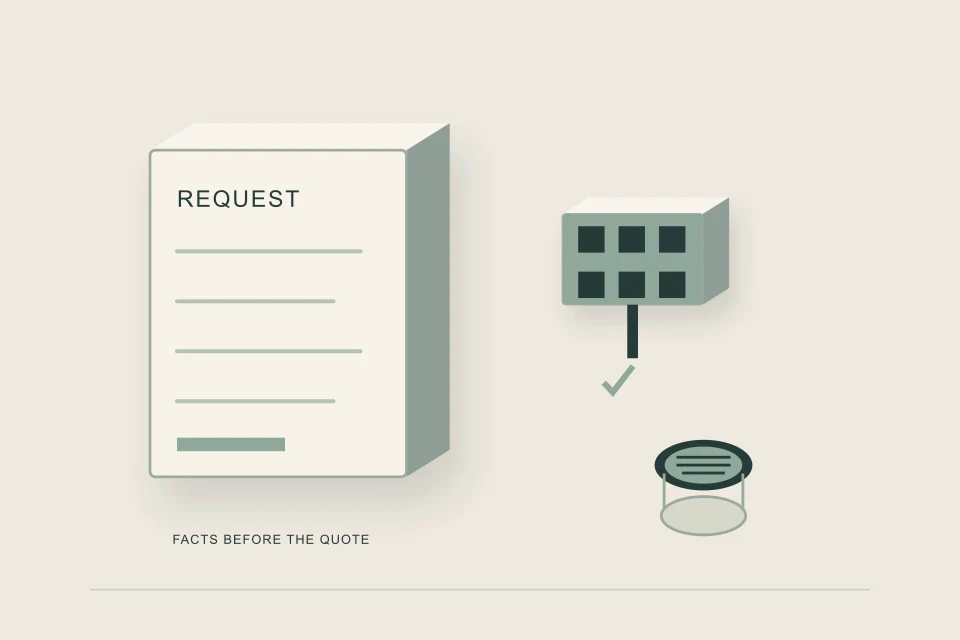
For a condo or multi-building site, define the shared network before ordering work. Separate unit plumbing, building drains, the private site sewer and the municipal connection. Keep access permissions, incident history and drawings with the inspection scope so the board or owner can understand what was actually surveyed.
- Identify each shared run before seeking a site-wide price.
- Keep observed routes separate from drawings and assumptions.
- An inaccessible asset stays on the open work list.
- Give the board evidence, decision options and an approval boundary.
01 /Create one asset register
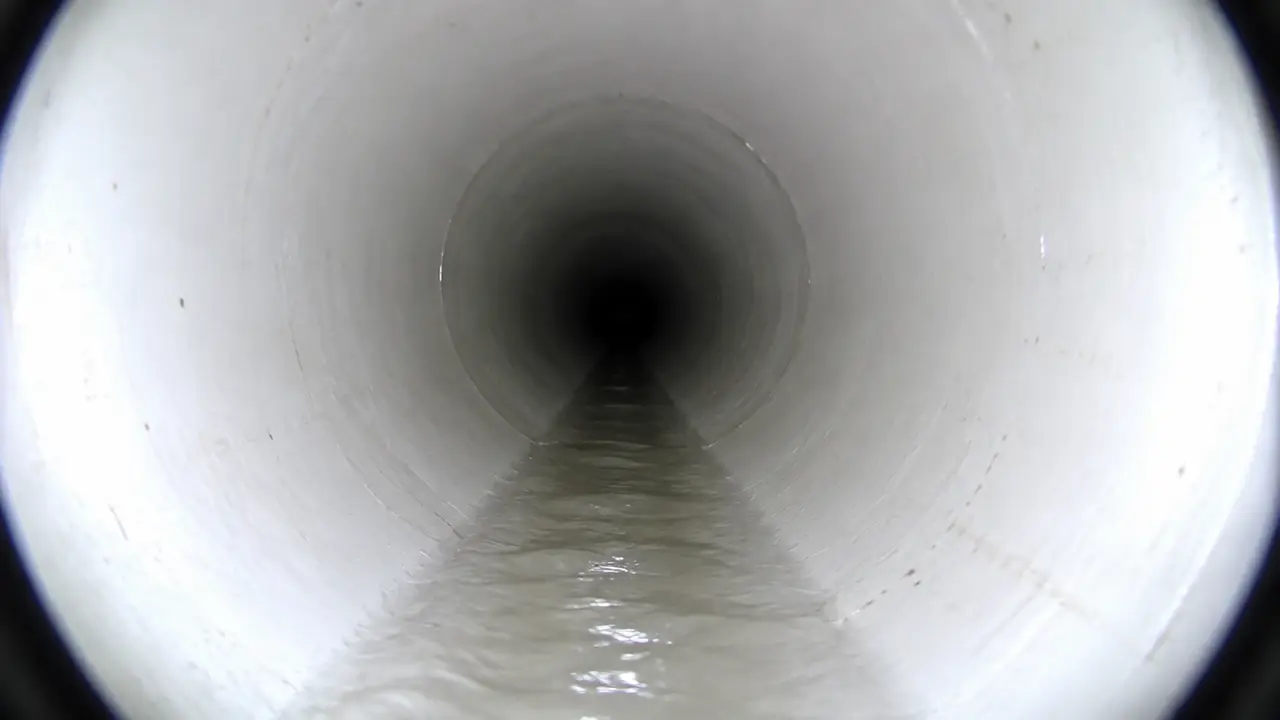
Assign a simple name to each known run and access point. Record the buildings served, available plans, last cleaning or survey and where coverage is incomplete. Keep private and municipal assets distinct without assuming a legal boundary from a diagram. Confirm responsibility against the property documents and utility guidance.
Incident patterns help prioritize a survey: two buildings backing up at the same time is a different clue from one unit having a slow sink. Ask residents or staff for dates and affected fixtures. Avoid recording unnecessary tenant personal details in the maintenance file.
02 /Coordinate access before the contractor arrives
Confirm who can authorize entry, where service vehicles can park and whether any lines need temporary water-use restrictions. Give occupants practical notices approved by the property manager. Record which units, covers or cleanouts could not be accessed; an inaccessible section should remain open in the work list.
Nobody should enter a manhole or vault to take a photo for a quote. The survey contractor must plan safe access and equipment for the site. Ask what happens if a cover is buried, locked or unsafe and whether that work is excluded from the base price.
03 /Give the board a decision packet
A board needs more than a sentence that the sewer is old. Assemble the observed defect, its asset and location, service impacts, uncertainties, practical repair alternatives and required surface restoration. Distinguish immediate containment, further investigation and optional renewal.
Keep the approval scope and budget assumptions next to the evidence. If a later quote changes the method or limits, the board should be able to see why. Request completion records covering the section worked on so the next manager inherits evidence rather than only invoices.
04 /How do you turn several buildings into a defined survey scope?
Turn the site into named runs and access points, rather than asking for “all the sewers” without boundaries. Start with the available drawings and identify their date and author. Add building names, service areas and the requested inspection objective. Mark a route as drawn, previously surveyed or assumed. This lets the provider decide which connection needs confirming before it can promise useful coverage.
For a townhouse or multi-building property, one address may conceal several independent connections or a shared private trunk. Do not infer the layout from the surface arrangement. Give each proposed run a temporary identifier and request that any corrected route be reflected in the completed records. A single plan can then show both the intended scope and the actual survey, including assets that the crew could not reach.
05 /What belongs in a practical shared-sewer register?
| Register field | Useful entry | Avoid |
|---|---|---|
| Asset label | Building A outlet to access point C1, route to confirm | All condo drains |
| Evidence | Plan date plus earlier video reference | Unlabelled screenshot |
| Coverage | Requested start/end; actual limit after survey | Assumed full-site completion |
| Access | Manager-held key; parking and occupant arrangements | Resident expected to open a pit |
| Status | Investigate, maintain, assess repair or unresolved | Old means replace |
| Responsibility | Confirmed document reference or still unknown | Ownership assigned by illustration |
The register can be a simple sheet. Its value comes from consistent identifiers and honest uncertainty, not specialized software. Link the corresponding drawing, recording and service note rather than copying long technical conclusions into every cell. Give one manager responsibility for updating the register after each visit; otherwise several versions can disagree about which sections were actually inspected.
06 /Which incident patterns help prioritize shared assets?
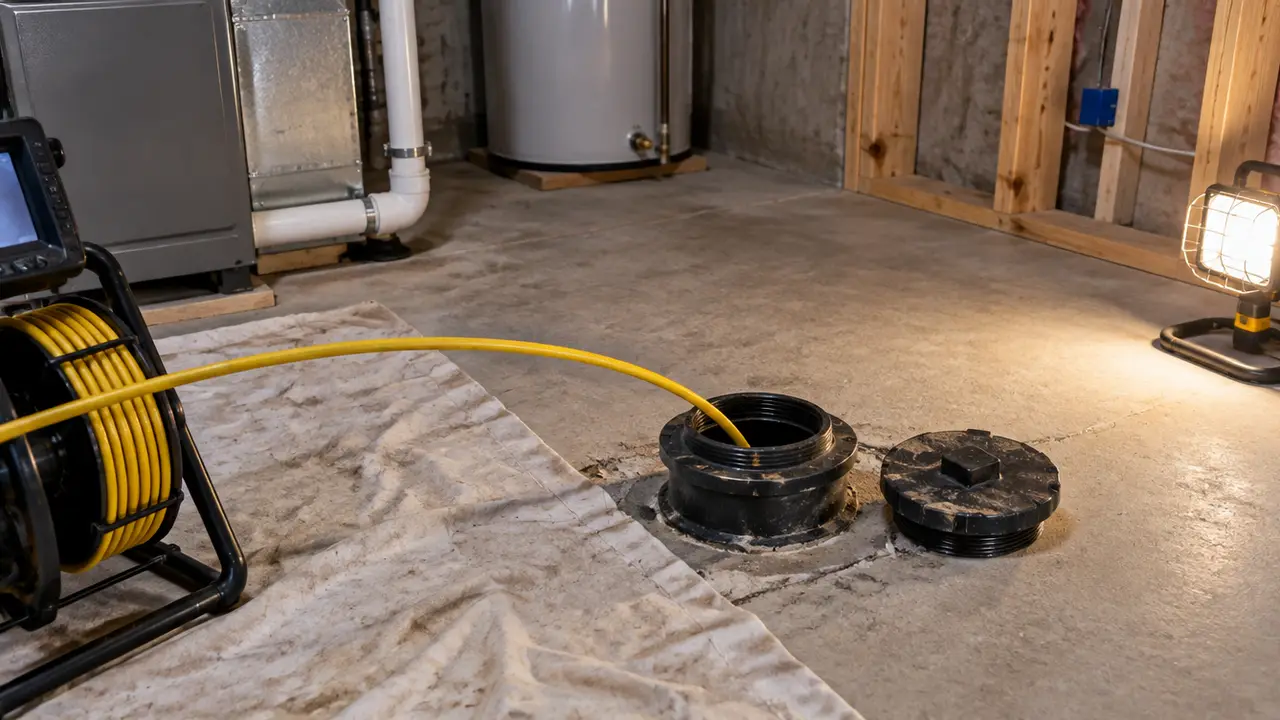
Prioritize from the affected area and recorded history, while keeping the cause unresolved until it is assessed. One resident’s slow fixture, a whole building’s low drains and simultaneous problems in two buildings suggest different scope questions. Record dates, the locations affected and the service response. Separate firsthand observations from summaries passed between managers. Avoid claiming that a common symptom proves a specific buried defect.
Build a short timeline beside the asset list. Include cleaning dates, reported recurrence, access failures and any known work that changed the route. Where a board inherited only an invoice, request the original provider’s available deliverables with the owner’s permission. If an active sewage incident is occurring, immediate appropriate assistance comes before the planned condition survey. Do not encourage residents to run water to demonstrate the issue to the next crew.
07 /How can access planning prevent an incomplete multi-building visit?
Confirm permissions and physical access for every requested run before relying on a single appointment. Identify occupied spaces, service rooms, vehicle routes and keys. Ask the contractor which access points it expects to use and what alternatives it would consider if one is unsuitable. The property manager should coordinate approved occupant notices and a contact who can decide whether an unexpected limitation warrants additional work.
Keep safety responsibilities explicit. CCOHS describes confined-space assessment, hazards and controls; a site manager should not treat a manhole as an ordinary room. Do not enter a vault, lean into a sewer opening or ask a resident to prepare one. Have the qualified provider explain its required access arrangements. A buried cover, locked room or inaccessible run should produce a documented exception, rather than disappearing from the final invoice summary.
08 /What reporting does the board or asset manager need?
Agree the reporting format with the person who will use it before booking. A board may need an intelligible condition summary and original recordings; an engineering or asset-management review may require a specified coded data package. NASSCO’s PACP, LACP and MACP programs address consistent assessment of pipelines, laterals and manholes. Ask the proposed provider which format it can supply and verify any certification claim; HAUSE does not claim those credentials.
Request an index connecting each asset to its recording, findings and inspection limit. A site-wide conclusion should make its actual coverage clear. Where two routes use different starting points, retain those references instead of treating their camera distances as interchangeable. The completed packet should also identify assets not surveyed and the reason. The manager can use that index to scope a return visit without commissioning the same accessible section again.
09 /How do you present a sewer decision without hiding uncertainty?
Present the board with the decision and the evidence supporting it. Separate immediate containment, investigation needed before a choice and a proposed construction scope. Attach the relevant recording interval, affected asset, known access constraints and the provider’s written alternatives. The packet should state which unanswered questions could change the method or restoration requirement. It should not translate an age estimate into an unsupported instruction to replace every pipe.
Compare work boundaries and completion deliverables before asking the board to approve a total. Confirm responsibility using the actual property documents, utility guidance and appropriate advisers; the illustrative lateral diagram does not determine legal ownership. Record who can authorize a changed scope during the visit. Use the commercial outline to prepare a request with the asset list and decision purpose, then edit private details in the quote form. Keep later approvals and completion records with the same identifiers.
FAQQuestions people ask
Can one camera appointment cover an entire condo site?
It depends on the actual layout, suitable access and agreed extent. Ask the provider to identify each run, anticipated entry point and reporting package before treating one visit as full coverage. If a route cannot be reached, request a recorded limitation and a separately scoped next step. One accessible building drain should not be reported as the condition of every shared asset.
Is everything outside a unit automatically the condo corporation’s sewer?
Do not use that assumption to assign responsibility. Shared services, ownership boundaries, easements and maintenance obligations need the relevant documents and qualified advice. Keep responsibility as an explicit unresolved item until confirmed. The survey can document visible condition and route information without deciding a legal question; preserve that distinction in the board packet and contractor authorization.
How should we share findings with residents?
Share the relevant service information and approved instructions through the property manager’s usual process. Keep unnecessary personal details out of the asset register. A summary can identify the affected area, the confirmed work and open follow-up without publishing private unit records or claiming an arrival time the provider has not confirmed. Retain the complete technical files in the authorized property record.
What should the incoming manager receive at handover?
Provide the current asset list, dated drawings, original recordings, written findings, recent service history, open limitations and approved work scopes. Include access arrangements and responsible contacts, with permissions reviewed. Explain which labels refer to the same asset if contractors used different names. A handover should make the next decision reproducible without depending on a former manager’s memory or an expired video link.
NETWORKGo deeper across the HAUSE Sewer network
Condo and multi-unit sewer inspections: who scopes what
Condo and multi-unit sewer inspections: shared vs unit piping, what boards should scope, what buyers should ask for, and access in occupied buildings.
SewerCleaners.caCondo and multi-family sewer cleaning programs
How condo boards build a sewer cleaning program: stack cleaning, building drains, camera baselines, reserve fund planning, bylaws and resident notices.
SewerRoots.caRoot Risk Calculator
Root Risk Calculator: enter tree species, distance to the sewer line, pipe material, age and root history to get a risk band, the reasons and next steps.