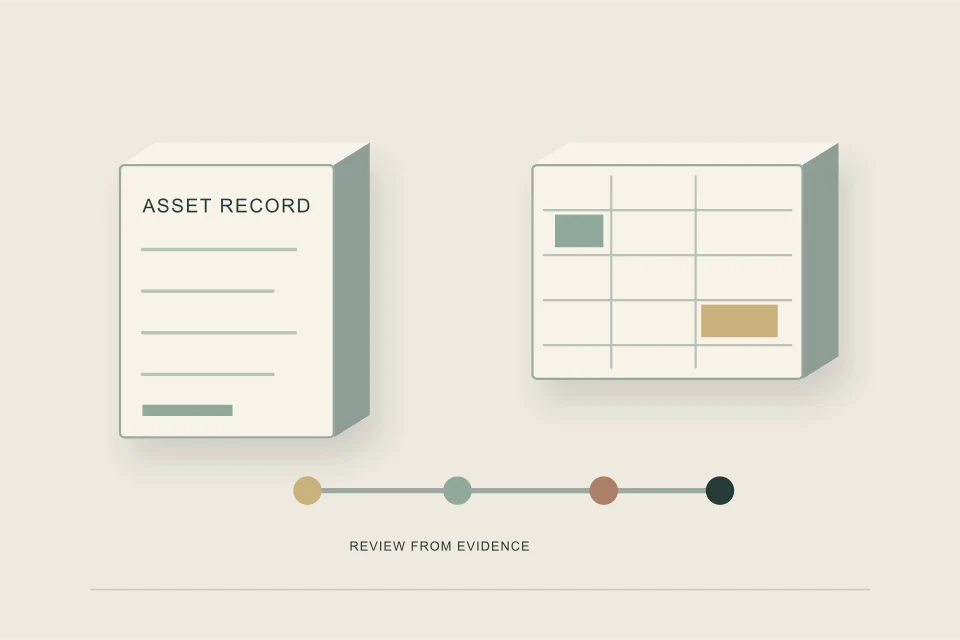
A useful maintenance plan names the assets, their observed problems, the action on each, the review trigger and the records to retain. Set intervals with the contractor from actual loading and condition. Cleaning may manage deposits; it does not correct a broken pipe, a displaced joint or a sag.
- Define the maintenance objective for each named asset.
- Keep mandatory interceptor servicing separate from sewer intervals.
- Compare actual coverage and recurrence after every visit.
- Use a review trigger when the operating load or condition changes.
01 /Separate condition from operating load
Grease-heavy operations, recurring debris and structurally damaged sections should not be grouped into one “annual flush.” Record what the last survey found and whether a later blockage appeared in the same location. The purpose is to choose a repeatable action and know whether it is helping.
Agree on a baseline: incident frequency, the assets to service and any evidence of restrictions before work. A maintenance invoice can state that a task occurred without showing why it was needed. Ask for the observations that will guide the next visit.
02 /Write a plan that someone else can run
- Identify
Name each asset and its access point.
- Act
State cleaning, inspection or further investigation separately.
- Record
Retain footage, findings, service dates and limitations.
- Review
Revisit after recurrence, altered building use or new condition evidence.
Schedule around real occupancy and kitchen use. Confirm restrictions with the operator and provide an escalation contact. The plan should explain what counts as a changed scope, who may approve it and when an urgent incident bypasses routine scheduling.
03 /Make the next decision easier
After each service, compare the findings with the earlier record. A shorter recurrence interval may require more investigation, a source-control change or a repair discussion. It should not automatically become an ever-more-frequent cleaning contract.
A maintenance plan is an operating document, not a prediction that the line will never back up. Keep a separate incident response plan with utility, contractor and property-management contacts. Review contact details and access instructions whenever the site team changes.
04 /What result should each maintenance task achieve?
Name the intended result before choosing a calendar interval. A task might remove accumulated material, obtain an unobscured condition record or prepare a defined section for later work. NASSCO’s maintenance overview identifies these as distinct reasons for pipe cleaning. Ask the provider which result the proposed visit addresses and how it will be documented. “Annual sewer service” alone does not tell the incoming manager what the previous contract was trying to accomplish.
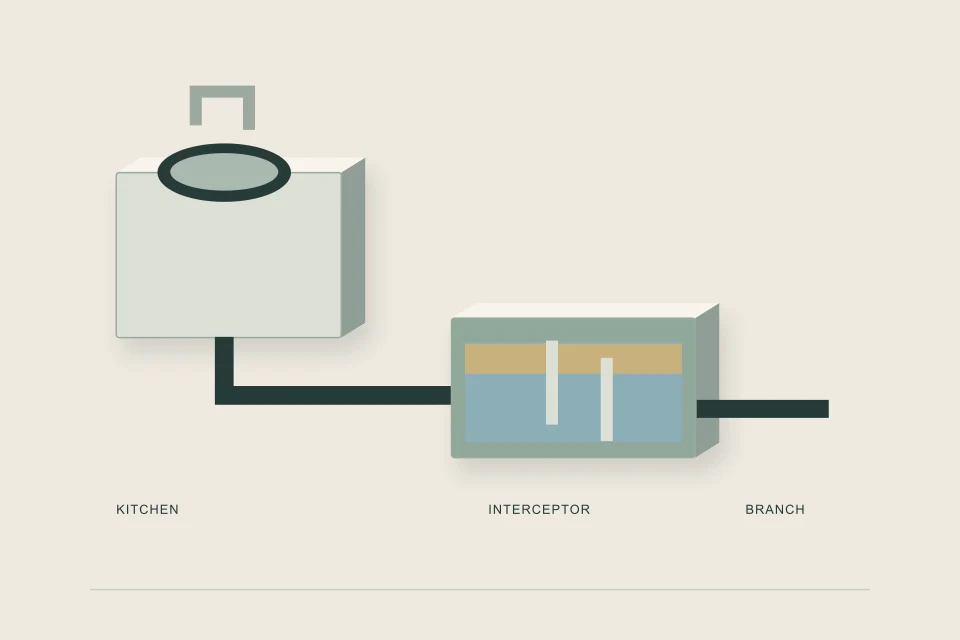
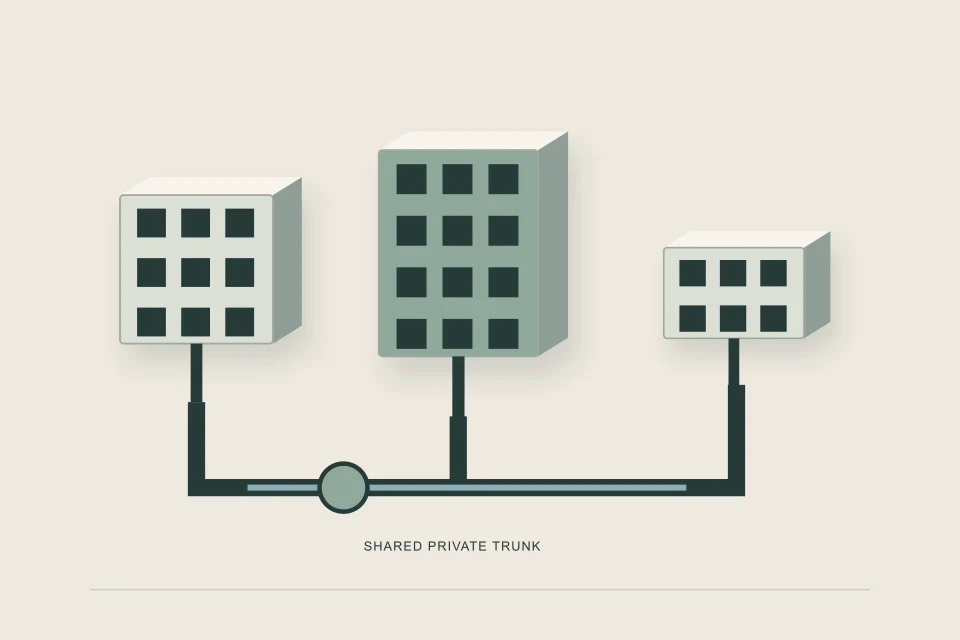
Keep the task specific to the asset. A kitchen branch, private shared trunk and grease interceptor should not inherit one schedule just because they occupy the same property. For Calgary food-service facilities, the City’s interceptor servicing requirements apply separately; see the restaurant guide for the current minimum and record expectations. Ask a qualified provider to recommend the pipe-maintenance plan from actual observations rather than extending an interceptor calendar to every buried run.
05 /How do you establish a baseline when records are incomplete?
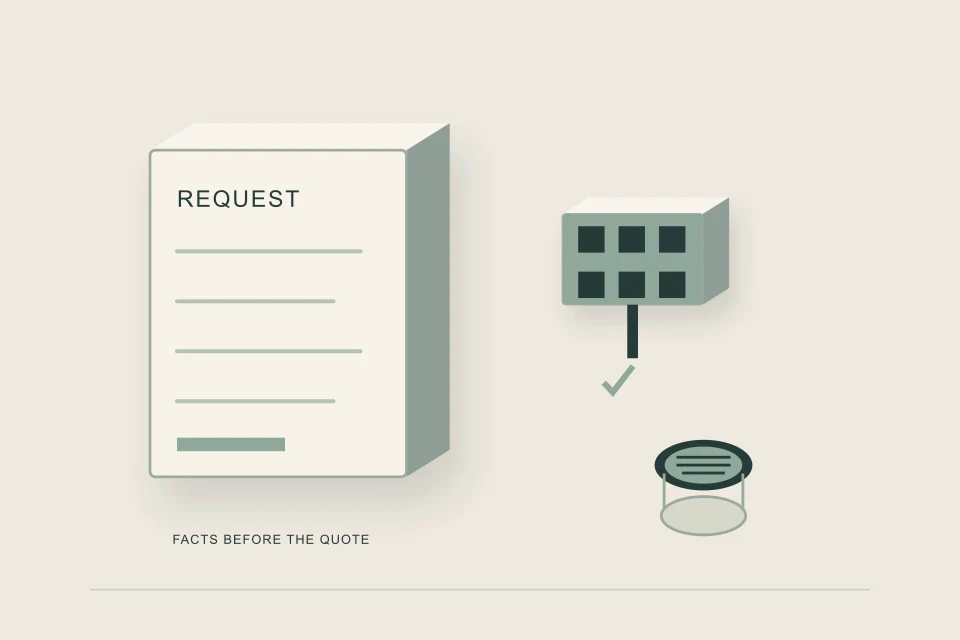
Establish a baseline by separating known history from information still to be obtained. List service dates supported by invoices, recordings that identify a route and incidents reported by staff. Label an undated recollection as approximate. Where an asset has never been surveyed or a previous camera stopped early, show that limit. An organized unknown is a valid planning item; a guessed condition can misdirect the next service.
Ask the provider to define what the first visit should document. That can include actual access used, cleaning extent, visible findings and any uninspected remainder. Keep the resulting files with the asset register and the original objective. If cleaning is needed to obtain visibility, distinguish the task from the condition survey that follows. Do not describe a restored passage as a full baseline when the record contains no evidence of the rest of the route.
06 /Which triggers deserve a maintenance-plan review?
| Trigger | Review question | Possible scope change to discuss |
|---|---|---|
| Same symptoms return sooner after comparable service | Was the same asset and extent actually covered? | Investigate coverage or obtain a clearer condition record |
| Kitchen use or tenant occupancy changes | Does the original operating assumption still apply? | Reassess loading and source-control practices |
| New observation remains visible after cleaning | Can routine service address this concern? | Seek a condition or repair assessment |
| Access changes after construction or landscaping | Can the requested run still be reached safely? | Update the entry plan and exclusions |
| Earlier files cannot be recovered | What evidence does the next decision need? | Specify a new baseline and durable deliverables |
A review trigger is a reason to reconsider the plan, not an instruction to increase frequency automatically. Have the provider explain what the changed task is intended to resolve. Retain the earlier rationale and the revised one so the manager can distinguish a deliberate decision from a schedule that expanded through repeated urgent callouts.
07 /What should the visit instruction contain?
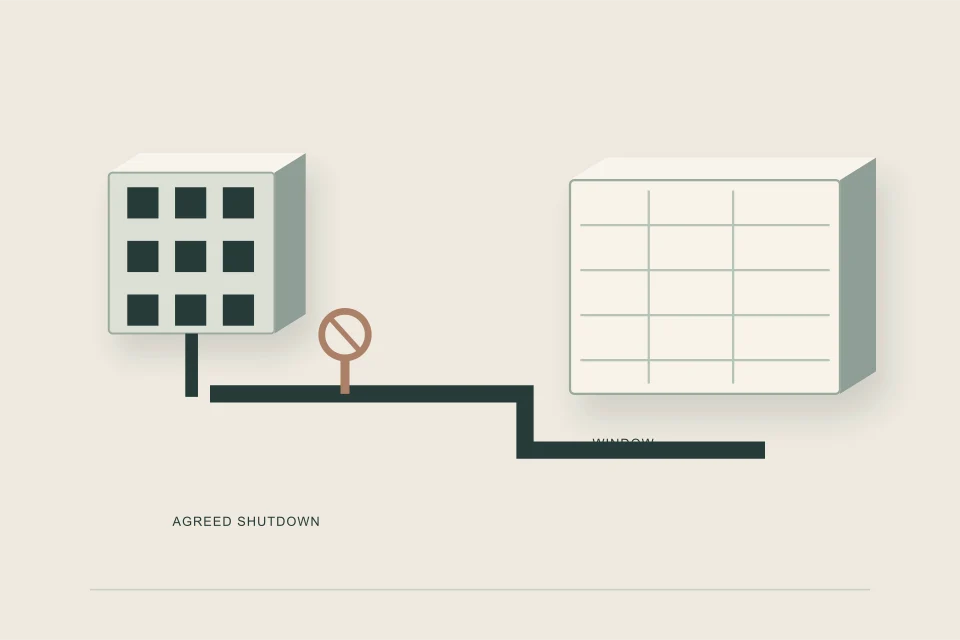
Give the provider a visit instruction with asset identifiers, objective, available records, intended extent and the agreed deliverables. State the operating window and the person authorized to approve changes. If the site has several buildings, specify which access permissions are confirmed and which remain unresolved. Avoid a blanket instruction to clean anything encountered; it obscures the original approval and makes the resulting invoice difficult to compare with the plan.
Discuss equipment space, occupant communication and any provider-specified restrictions before the appointment. Ask how the crew will report a blocked, locked or unsuitable entry point. Where flow management or a bypass is proposed, have the qualified provider define the arrangement and responsibilities; the manager should not improvise plugging or pumping instructions. Keep any specialist access and safety work explicit, including manholes or vaults. Do not send staff into confined spaces to prepare for maintenance.
08 /How do you measure a maintenance visit without a false promise?
Measure the completed task against the agreed extent and evidence, then monitor the recorded operating history. Confirm which sections were serviced, which findings were observed and what remained incomplete. A statement that the system flowed at the end of a visit is one observation; it does not establish that every asset was surveyed or predict that future incidents are impossible. The completion record should preserve that boundary.
Compare similar observations over time. Record whether the next incident affected the same fixture group, whether the work covered the same route and whether the use of the building had changed. Do not treat the absence of a complaint as proof that all buried assets have the same condition. A practical review can identify gaps in coverage or a new question for inspection without inventing a failure probability or calculating a pipe’s remaining life from age alone.
09 /How should planned maintenance and incident response fit together?
Keep a routine plan and an incident-response contact sheet alongside each other. The routine plan covers defined tasks and review dates. The response sheet identifies the manager, utility and provider contacts, access instructions and communication process for an active problem. Neither document should imply an emergency arrival time that a provider has not confirmed. Staff need a clear route to appropriate help rather than a maintenance calendar they cannot use during a backup.
At handover, check that the next manager can find both documents, recover original recordings and identify the current unresolved assets. Review contact permissions and remove unnecessary personal details from widely shared copies. When requesting a revised plan, use the commercial brief builder to state the baseline and decision purpose. The quote form lets you edit that outline and provide consent for team review. It does not approve work, initiate a standing service contract or dispatch a contractor.
FAQQuestions people ask
Should every commercial sewer be cleaned once a year?
A single annual rule does not define an appropriate plan for every asset. Ask the qualified provider to use site history, observed deposits, condition and operation when recommending pipe work. Keep any separate regulatory requirements, such as Calgary food-service interceptor servicing, visible. The plan should explain its rationale, requested extent and review triggers rather than present the calendar as proof that the whole system is sound.
Does maintenance avoid the need for repair?
Maintenance can address the task it is suited to, such as removing deposits or obtaining a useful view. It should not be described as correcting a displaced joint or other structural condition without evidence. If a concern remains, ask what assessment would support a repair decision. Keep investigation, routine service and proposed construction separate so the owner can approve each on its actual purpose.
What if the contractor reports the same problem after every visit?
Ask whether the location, extent and viewing conditions are comparable across those records. Review what each task achieved and whether the original objective remains appropriate. A repeated note may identify an unresolved condition rather than justify more of the same service. Request the relevant recordings and a written explanation of the next investigation or maintenance change before revising the contract.
Can we start a plan without original drawings?
You can prepare a request with the records you have, clearly identifying route and access unknowns. The first assessment can be scoped to establish useful evidence rather than assuming the missing drawing. Keep corrected route information and limitations in the completed asset record. Ask the provider what it can confirm at the visit and what additional task would be needed for any unresolved connection.
NETWORKGo deeper across the HAUSE Sewer network
Condo and multi-family sewer cleaning programs
How condo boards build a sewer cleaning program: stack cleaning, building drains, camera baselines, reserve fund planning, bylaws and resident notices.
SewerRoots.caHow fast roots grow back, and how often to cut them
How fast roots grow back in a sewer line after cutting, what sets the interval, how often to schedule root cutting, and when a cycle costs more than a fix.
SewerInspector.caAfter the sewer inspection: repair, clean, monitor or reinspect
What to do after a sewer inspection: repair, clean, monitor or reinspect each finding, when to get a second opinion, and how to check who owns the pipe.