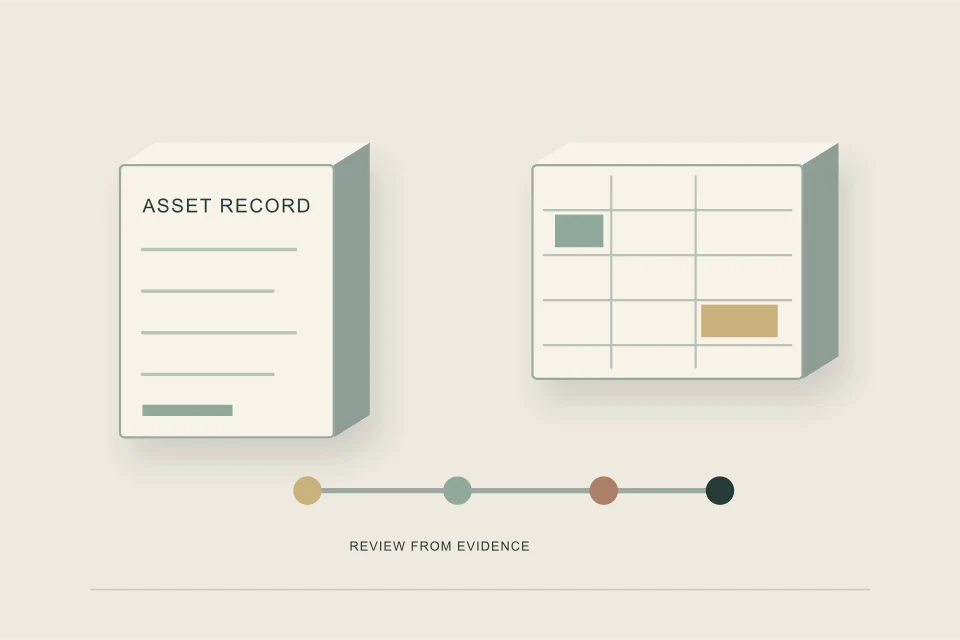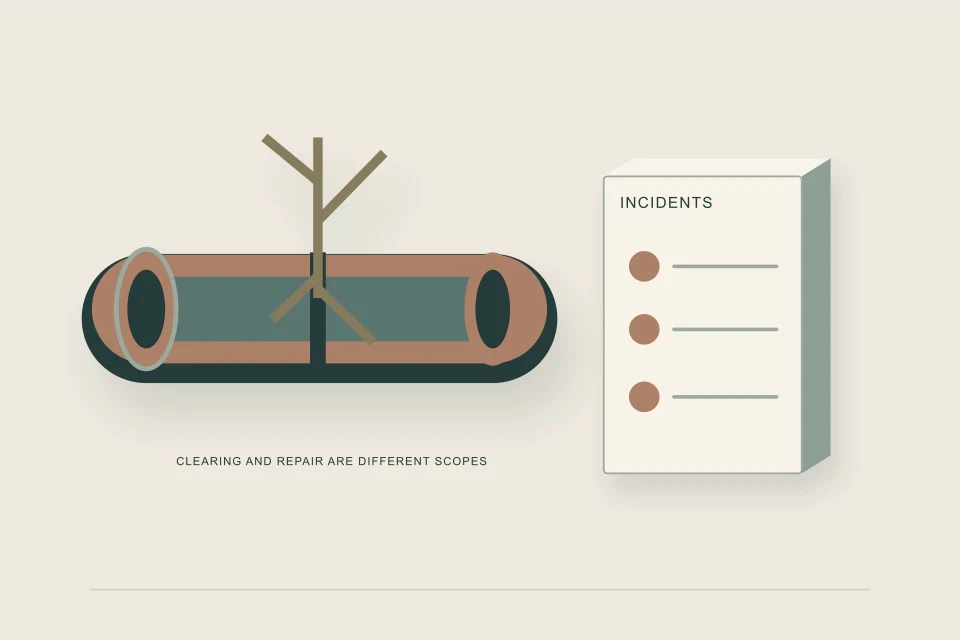
For suspected roots in a commercial sewer, identify the affected asset and obtain the recording that shows the observation. Keep clearing extent, recurrence and coverage limits together. A qualified provider should explain whether the next task is restoring passage, improving the condition view, planning maintenance or assessing a repair; those are different decisions.
- An incident pattern does not identify roots by itself.
- Link a root observation to the actual private run.
- Clearing and a condition assessment need distinct records.
- Compare repair objectives only after material evidence gaps are visible.
01 /What should a manager establish before calling the problem roots?
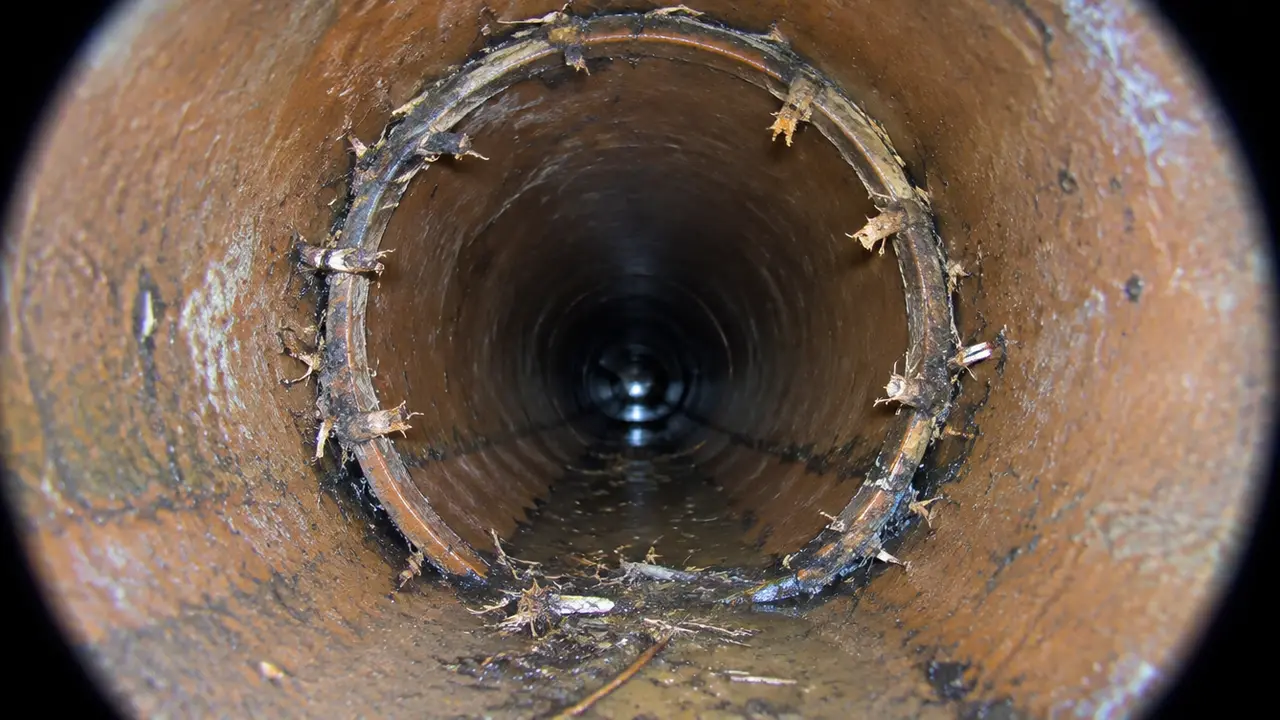
Establish what was actually observed and where. Repeated clearing, a tree near the property or a report that the line is old does not by itself identify the material causing a restriction. Ask for the original recording, asset reference and written finding. If there is no usable condition record, the first enquiry should state the suspected cause as unconfirmed and ask what assessment can identify the affected section.
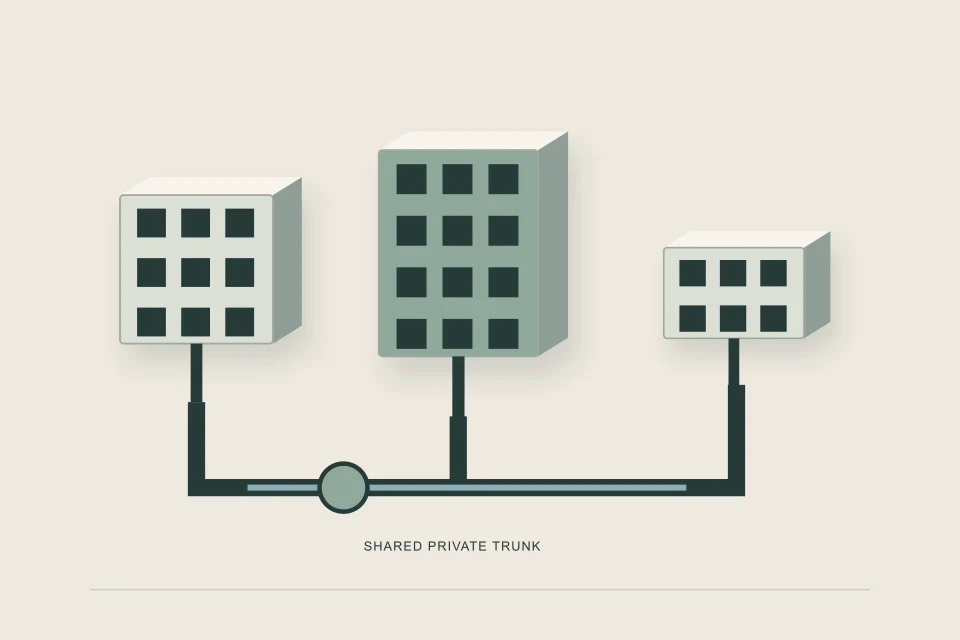
Commercial properties can have several contributors to one symptom. A kitchen branch, building outlet and shared private trunk should not be merged into one assumed root problem. Record which areas were affected at each incident and which route the previous provider serviced. The manager’s role is to organize those facts, not to choose equipment or infer a buried joint condition from the surrounding landscaping.
02 /How can roots and other material complicate the view?
A root observation can occupy or obscure part of the recorded pipe view and may coexist with other material. Ask the provider to describe what is visible, the affected interval and any wall or joint it cannot assess. A recording showing a restriction can be useful while still leaving the surrounding condition or downstream remainder unresolved. Keep the observation separate from a complete structural conclusion.
Calgary’s pipe-protection guidance describes how fats, oils and grease contribute to restrictions, and its lateral-lining information identifies root intrusion as a concern in aging infrastructure. Those references do not diagnose an individual commercial site. An investigation needs the actual route and operating history. Do not assume that every deposit in a mixed-use network has one cause, or that identifying roots explains the condition of every connected branch.
03 /Which records help distinguish the next commercial task?
| Record | Decision it helps frame |
|---|---|
| Dated incident history | Which operations and assets have recurring symptoms? |
| Clearing extent | Was passage restored in the same requested section? |
| Original footage | Where are roots or other restrictions actually visible? |
| Inspection limit | Which surrounding or downstream section remains unseen? |
| After-work recording | What view became available following the task? |
| Route and access information | Can a provider reach the missing asset safely? |
| Proposed repair rationale | Which observed concern does the method intend to address? |
Give each record a date and asset label. An invoice may state that clearing occurred without identifying the obstruction or surveying the entire route. Treat that as the evidence it supplies, not as a camera finding. If later records use another label or entry point, have the provider explain the relationship before comparing recurrence or choosing a site-wide maintenance plan.
04 /Why is root clearing not the same as deciding pipe condition?
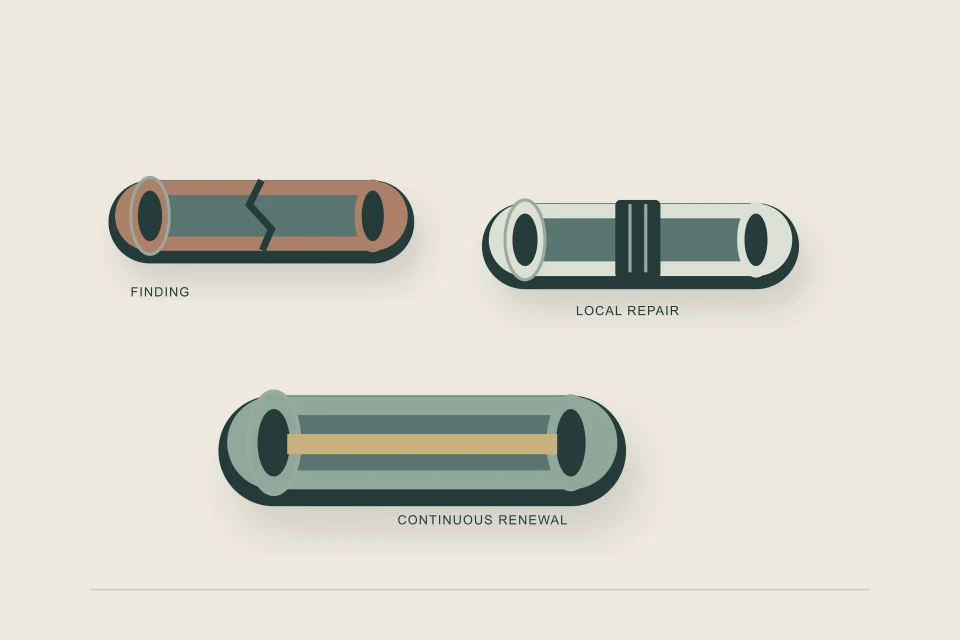
Clearing is a task intended to address the obstruction or passage; assessing condition requires a usable record of the relevant section. Ask the provider which result its visit is intended to achieve. NASSCO’s maintenance overview distinguishes reasons for cleaning, including improving inspection and preparing for later work. A flow improvement can be recorded without claiming the surrounding wall or joint was fully assessed.
Where a restriction prevents camera travel, retain the original stopping point and the uninspected remainder. If an appropriate clearing task allows a later survey, keep both files and the work description between them. Ask whether the later view answers the original question and whether a further gap remains. Do not repeat the same instruction indefinitely simply because it restores use for a time; review the actual evidence and maintenance rationale with the qualified provider.
05 /How do you keep shared assets and responsibility clear?
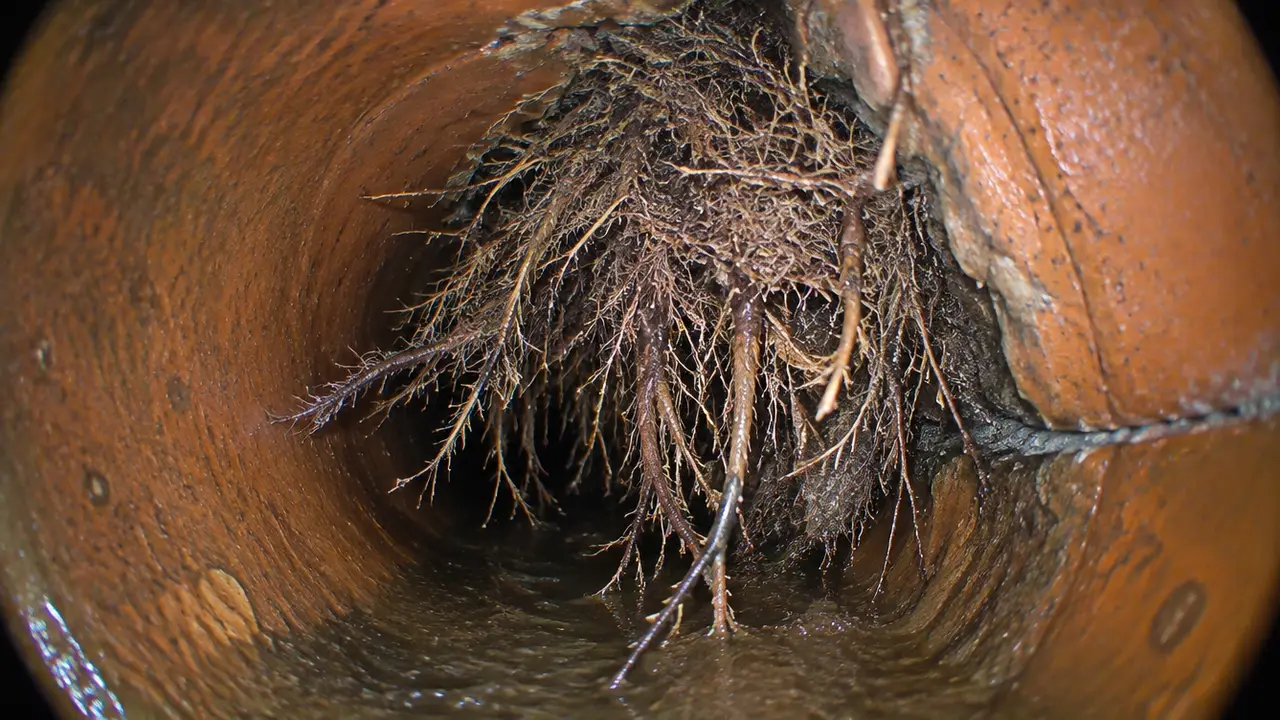
Keep the observed route separate from the question of responsibility. A commercial or condo property can have shared private assets, individual branches and a municipal connection. The diagram illustrates a root-entry mechanism; it does not determine ownership or which party pays for work. Confirm responsibility using the relevant property documents, authority information and qualified advice, and retain it with the named asset.
Do not infer the responsible party from the position of a nearby tree alone. Ask the provider to connect the observation to the confirmed route and any actual locate needed for the decision. For a multi-building network, identify which connections were not recorded. A concern seen on one outlet should not become an unsupported instruction to repair every shared run or assign costs across occupants without the appropriate evidence and approvals.
06 /How should a maintenance interval be reviewed after recurrence?
Review the interval against comparable service records and current observations. Ask whether the same extent was serviced, whether the obstruction was identified and whether later inspection supplied a clearer view. A shorter recurrence interval can justify another question about coverage, operation or condition. It should not automatically produce a more frequent standing contract without explaining what the repeated task can achieve.
Give the provider the business use and incident pattern, then ask for its actual rationale and review triggers. Keep kitchen interceptor requirements separate where relevant; they do not establish the correct interval for every downstream asset. Avoid asking staff to test chemicals, operate cable tools or enter sewer spaces to manage the schedule. Appropriate methods, equipment and safe access belong with qualified assessment, not an owner’s attempt to replicate the illustration.
07 /What evidence should a repair proposal address?
A repair proposal should address the recorded concern, actual asset and intended work limits. Ask how its selected method relates to the visible finding and which information remains necessary about access, location, connected services and uninspected portions. A provider may need a better condition view before comparing options. Keep that prerequisite visible rather than treating an incomplete recording as a complete construction design.
For an illustrative board packet, one run may have a documented root interval while another has only repeated complaints and no route-confirmed video. Present those as different decisions: an evidence-supported repair discussion for the first and a defined investigation for the second. Compare completion records, operational impact and restoration alongside the proposal. The method should explain its objective and limits, rather than promise that a general treatment resolves every future blockage.
08 /How do you turn a recurring restriction into a useful request?
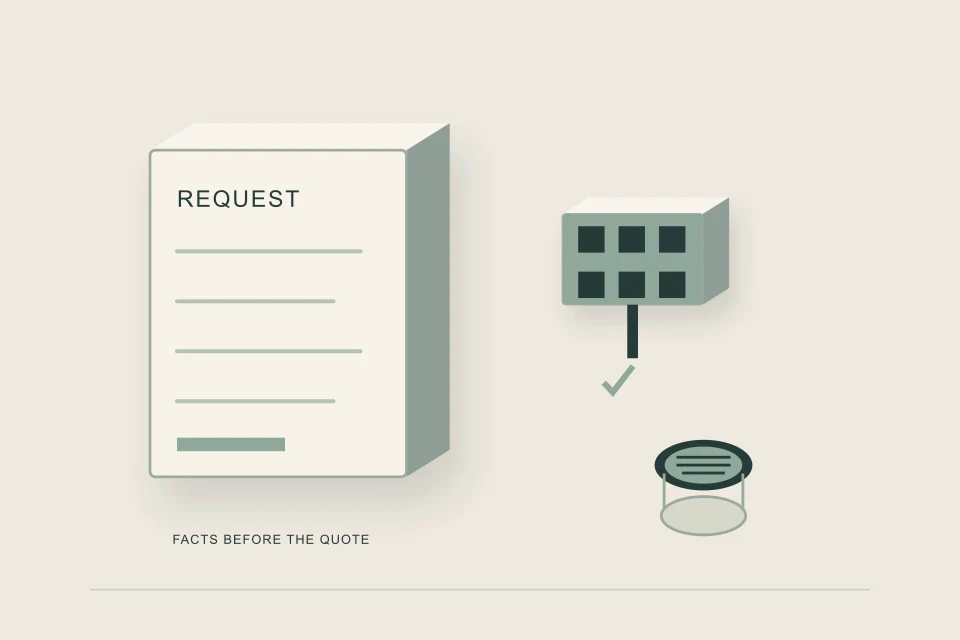
Prepare the purpose, site context and known access in the commercial builder. In the private form, add asset labels, service dates, records held and the specific remaining question. A request can ask for a condition view, maintenance review or proposed-repair discussion without guessing which method is already required. Review the outline and contact consent before sending it to the team.
The responding provider must confirm capability, access, availability and actual terms. HAUSE does not operate a clearing crew, prescribe root-treatment chemicals or certify the site from a chat description. Keep the original files, subsequent findings and approved tasks together. If wastewater is rising now, obtain appropriate urgent assistance first; a planned enquiry helps the later investigation but does not dispatch an emergency visit.
FAQQuestions people ask
Do repeat blockages prove roots are entering the pipe?
No. Ask what the actual recording shows and whether the reported incidents concern the same asset. Keep a suspected cause labelled unconfirmed when no usable condition view exists. Previous clearing can document a task without proving the obstruction type or the entire route’s condition. A qualified provider should define the next investigation from those gaps.
Should every root finding trigger replacement?
The finding needs its location, extent, viewing conditions and surrounding evidence. Ask which objective the proposed repair addresses and what information its method still needs. Clearing, maintenance and construction are distinct tasks. A generic root illustration or one cropped image does not determine an appropriate repair for every private run at the property.
Can the manager decide responsibility from the nearest tree?
Do not make that assumption. The affected route, property documents and relevant authority information matter to responsibility. Keep the technical finding separate from the legal or contractual question. Ask qualified advisers to resolve it for the actual asset rather than assigning costs from landscaping proximity or a camera counter alone.
What should the provider supply after clearing?
Agree the deliverables before work: actual extent, work description, observations and any included recording or condition survey. Ask which sections remain unresolved. Keep before-and-after evidence where supplied with the service dates and asset labels. A restored passage is useful information, but it should not be reported as inspection of an unseen remainder.
NETWORKGo deeper across the HAUSE Sewer network
What causes sewer backup, and how to tell which cause is yours
What causes sewer backup: roots, grease, wipes, sags, broken pipe, frozen lines and rain-overloaded city sewers, plus how to tell which one caused yours.
SewerInspector.caCCTV sewer inspection: crawlers, lateral launch cameras and coded surveys
What CCTV sewer inspection is: crawler cameras, lateral launch and zoom cameras, PACP-coded municipal surveys, and what city camera work means for your lateral.
DrainAugering.caHow often should you snake your drains and main sewer line?
How often should you snake your drains or main sewer line? Why healthy lines need none, how to set an interval from your clog history, and when to repair instead.